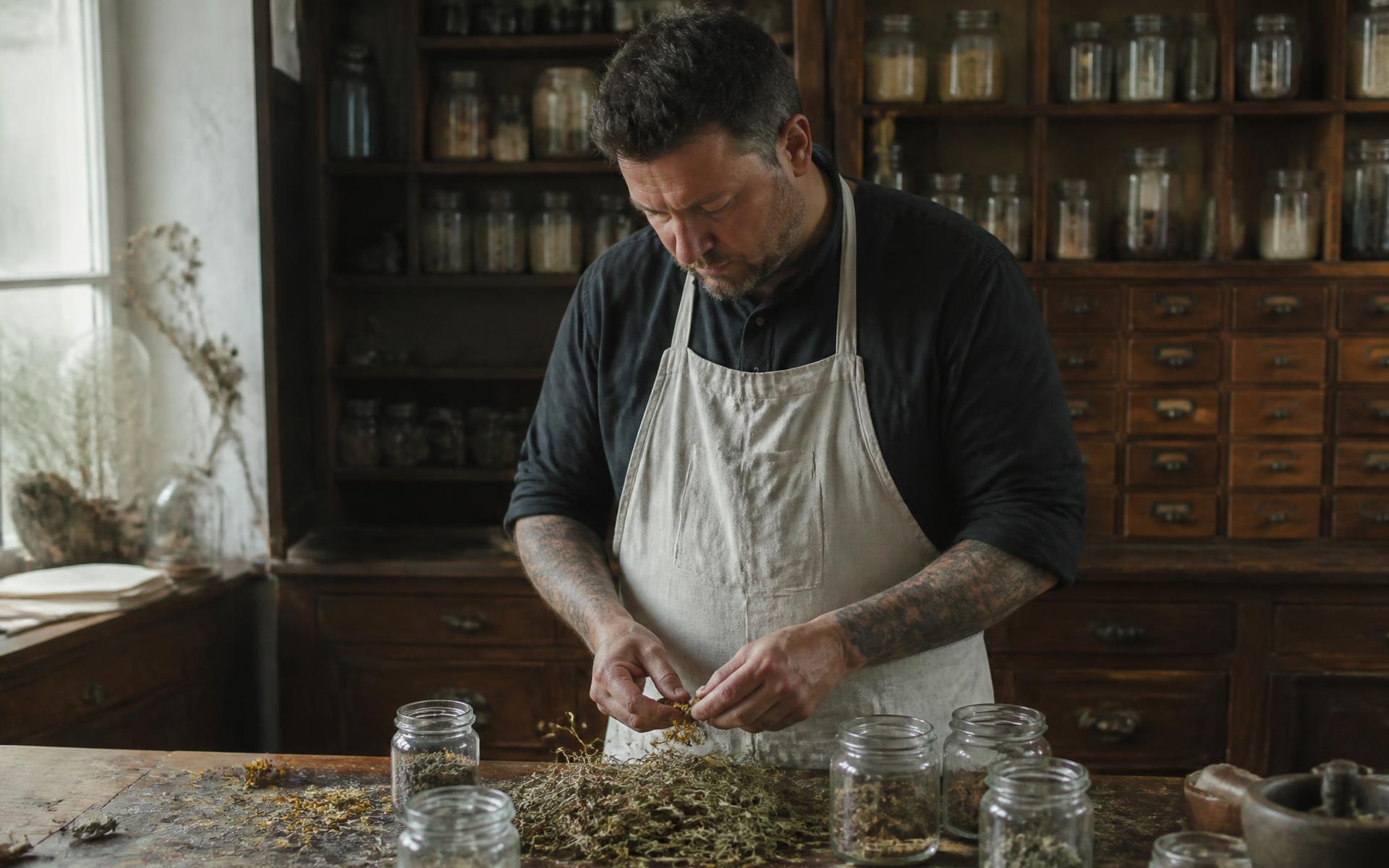
It doesn't begin with gin.
It begins with herbs.
That is an important difference.
Long before anyone in Friuli ordered a Negroni, the people who lived here had a far more tangible relationship with the plants around them.
They were used when the stomach played up.
When sleep would not come.
When someone had a fever.
When food needed flavour.
And when wine or spirits needed a helping hand.
The knowledge passed between generations. Some of it ended up with apothecaries and monks. The rest stayed in the families.
And as so often in the European history of drink, it is hard to say exactly where the medicine ended and the pleasure began.
That is roughly where Federico Cremasco enters the story. A few hundred years later.
The man who knew both the forest and the bar
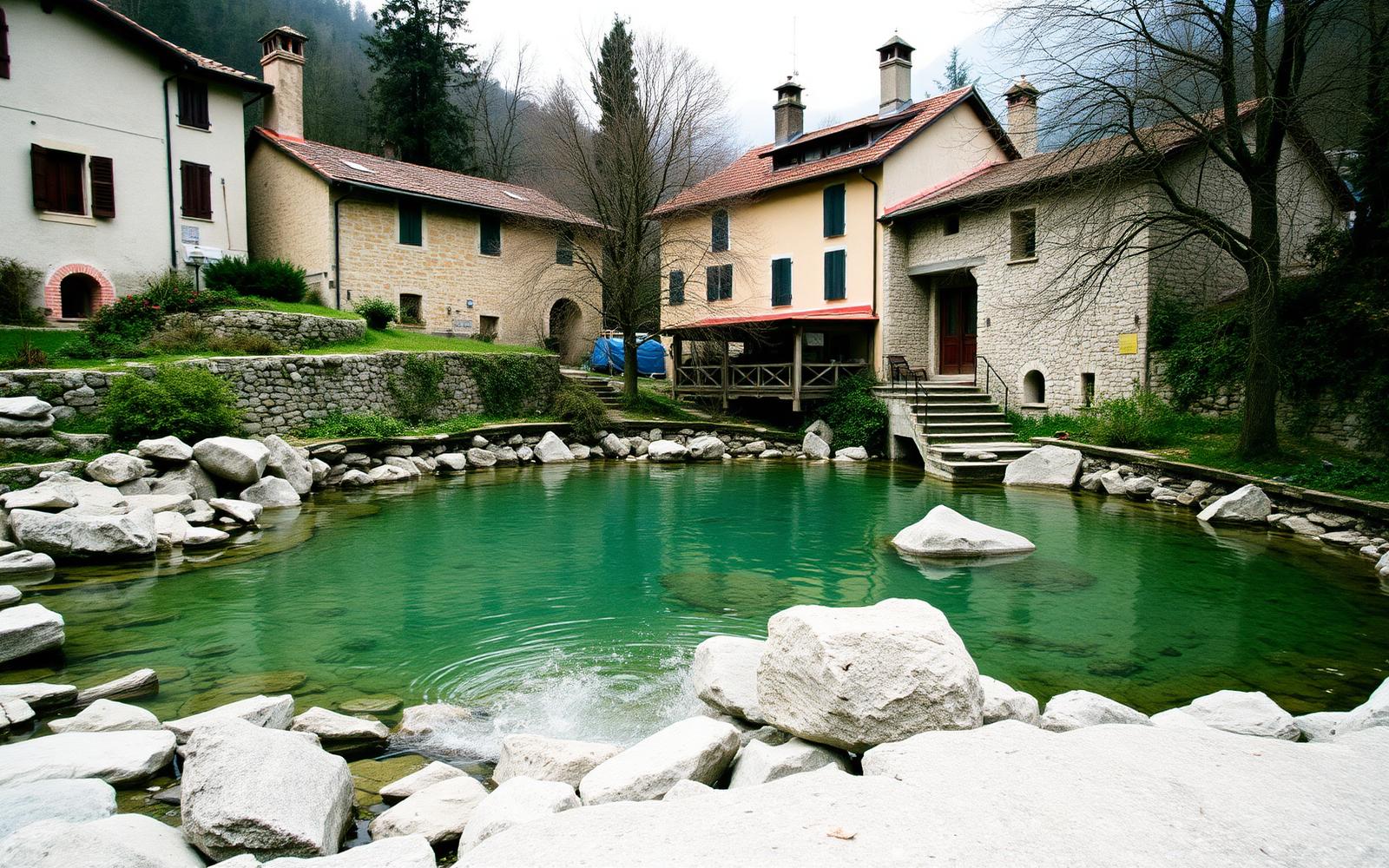
We are in Polcenigo in western Friuli–Venezia Giulia, close to the mountains and not far from the Slovenian world to the east and old Central Europe to the north.
It is a landscape where the borders have moved considerably more often than the mountains.
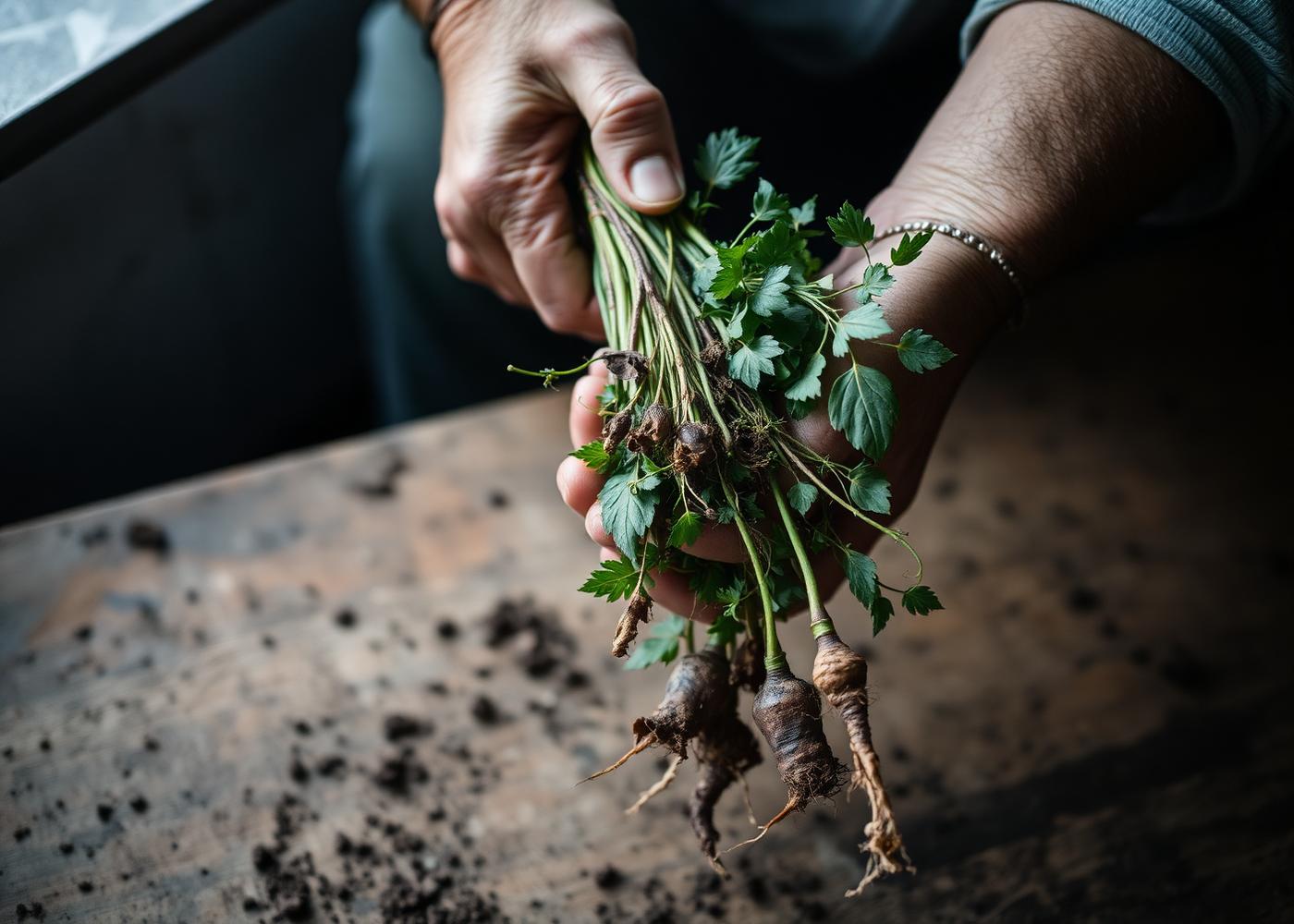
This is where Federico grew up. He took an early interest in herbs and medicinal plants and made liqueurs at home with his mother Vanda.
It sounds idyllic.
Then he started working nights as a bartender.
That is where the story gets better.
Because suddenly two traditions of knowledge met that have in fact known each other for centuries.
One of them lived in the forest.
The other stood behind the bar.
Federico knew the plants. The bartender in him knew what could be done with them.
An old herbarium changes everything
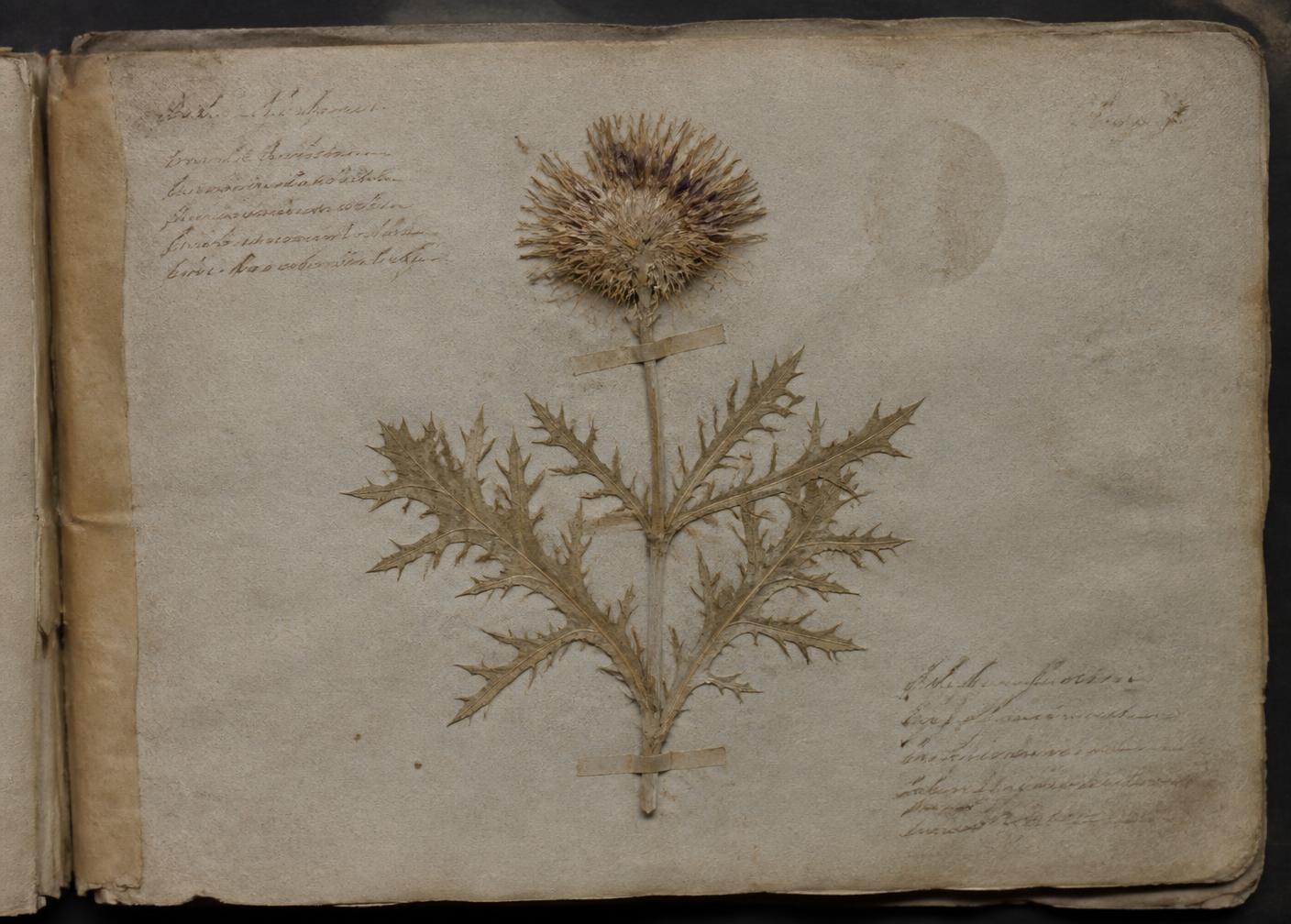
Then a herbarium from 1946 came into his hands.
A herbarium is, in a way, a time machine with poor suspension.
Pressed plants.
Notes.
Names.
Knowledge someone considered important enough to preserve.
For Federico it became working material. He began experimenting with extractions, infusions, oils and aromas.
The old found a new use.
In 2014 he opened his first laboratory. The location? A closed-down pharmacy in Polcenigo.
You could have invented that detail to improve the story.
There is no need.
The pharmacy was already there.
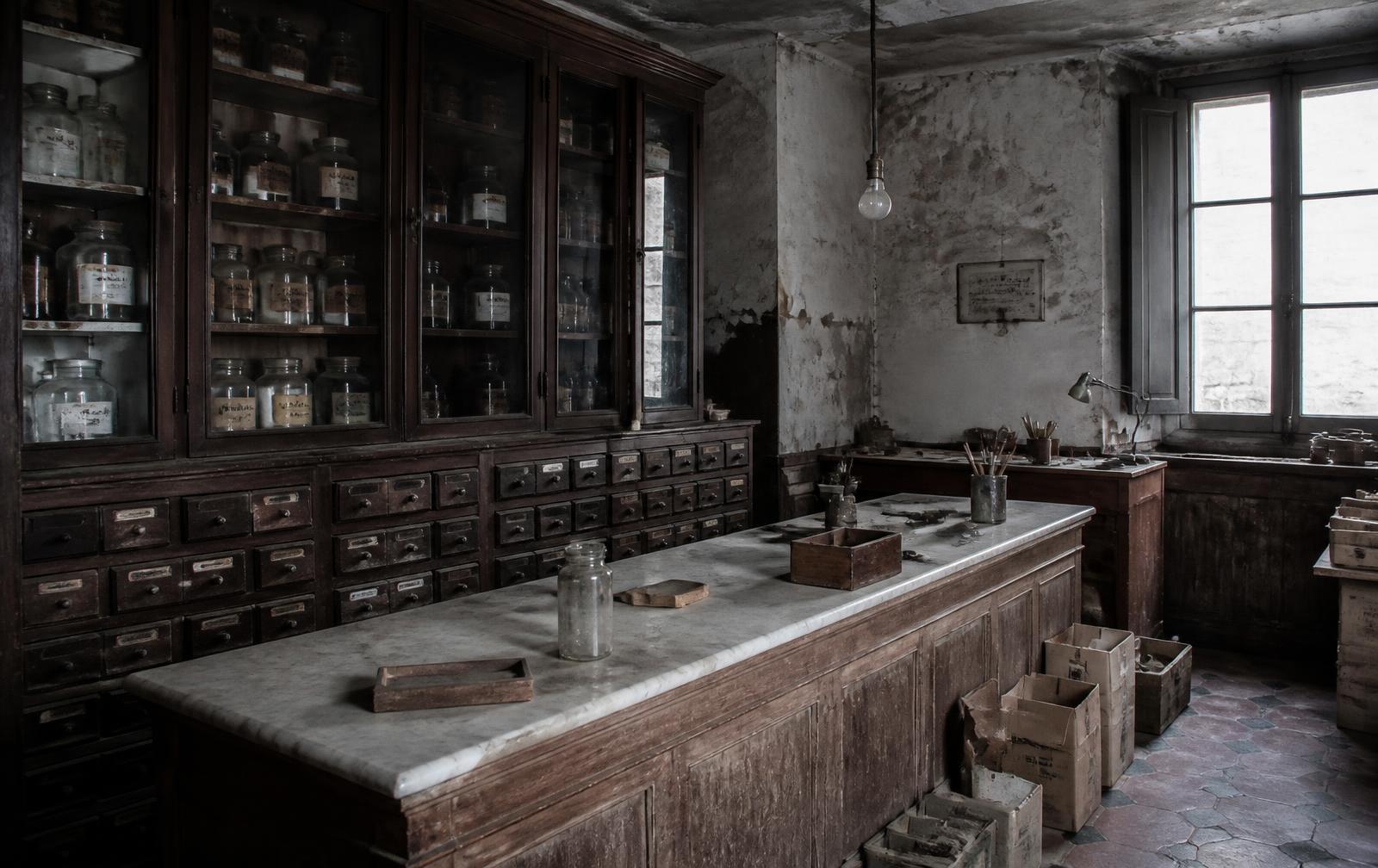
When the pharmacy became a distillery
There is an old European connection between pharmacies
Section missing from the source text
The middle part of the original text belongs here: the pharmacy and the distillery, Johann, Goethe, the Negroni trio, Sagrestan, Fernet, Alkemil, grandfather Pietro and the 102 botanical decisions. The section arrived truncated and is therefore not published. No text has been rewritten or substituted — the structure of the page stands ready and waits for the original passage.
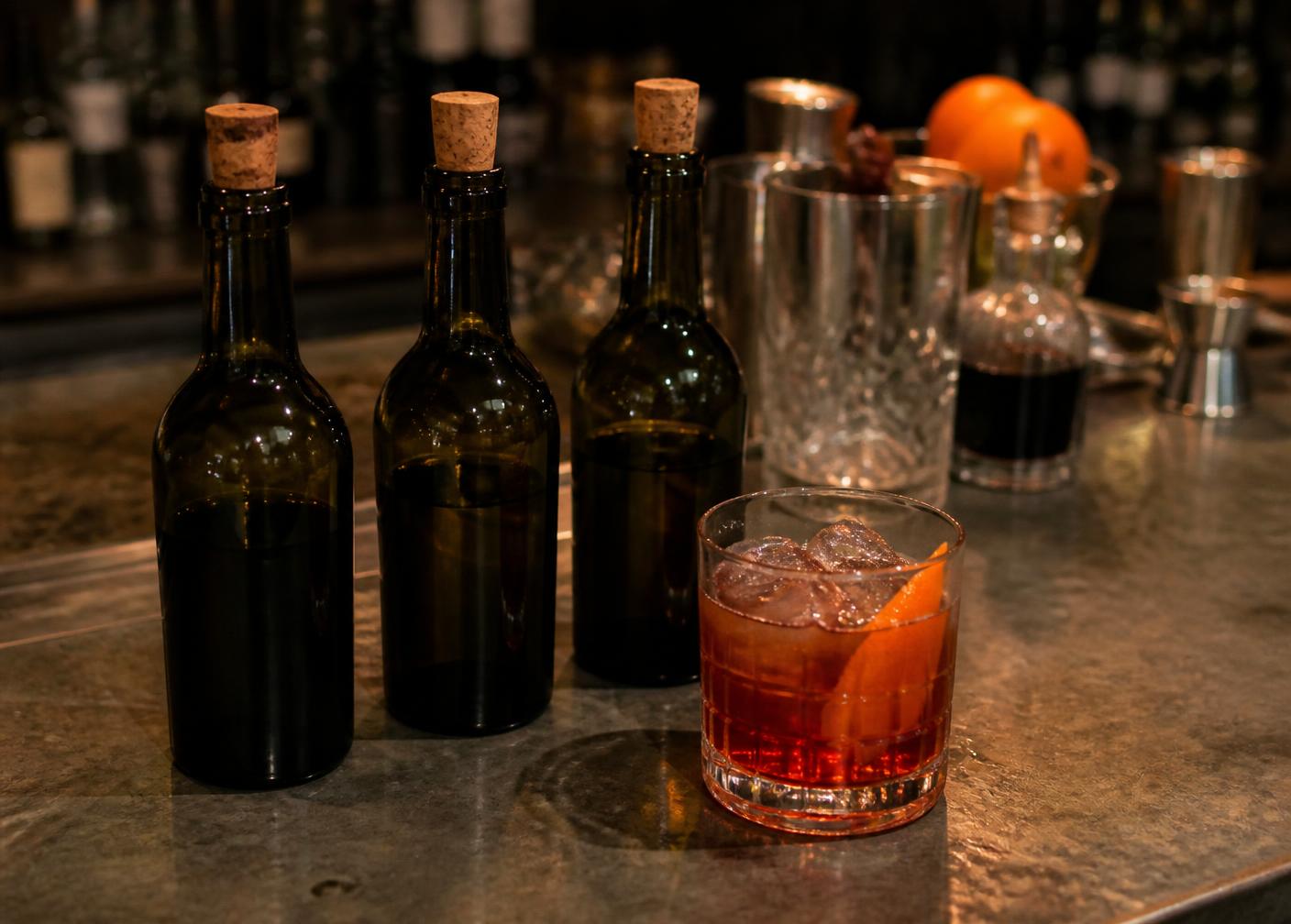
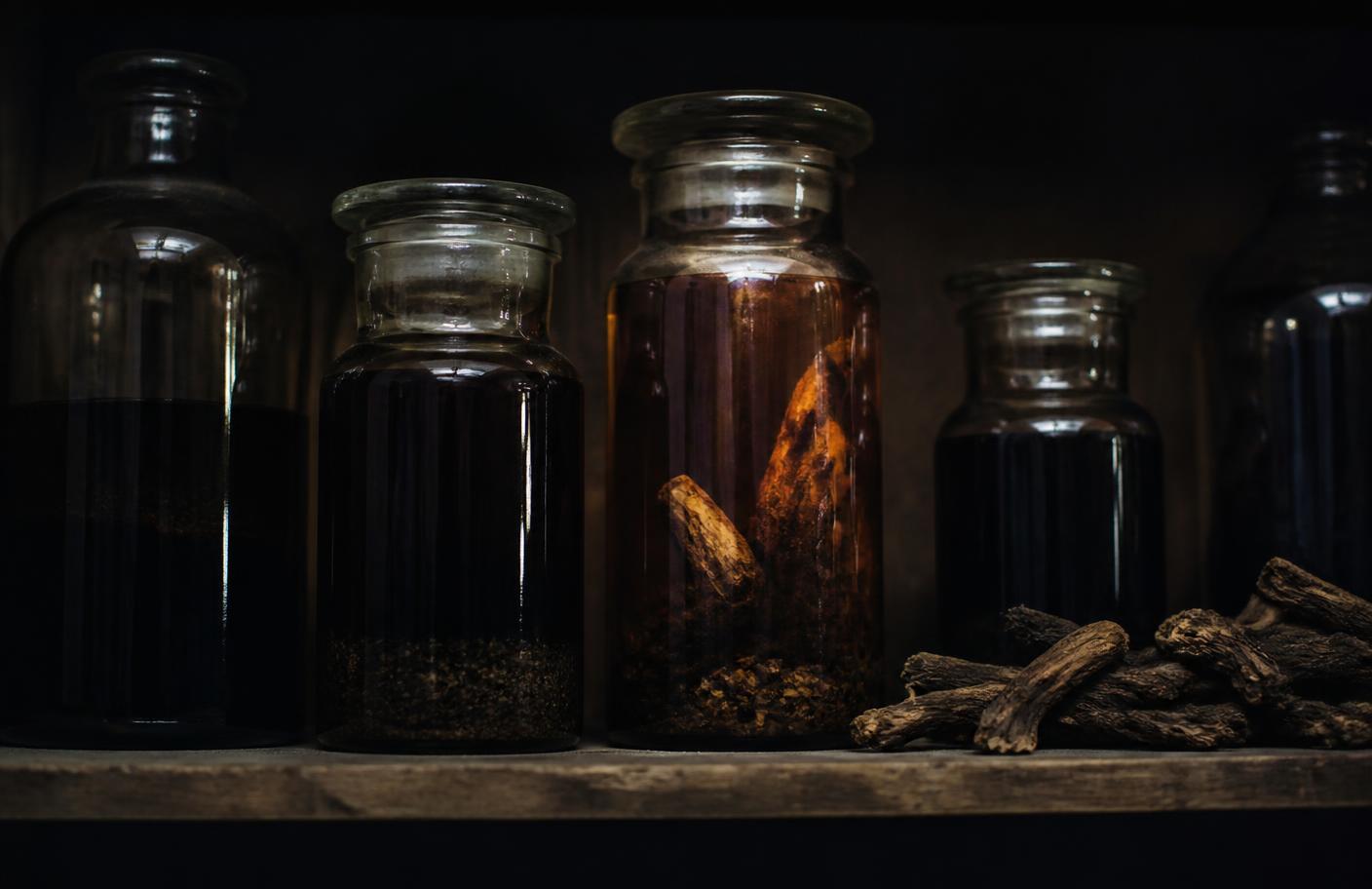
He makes them for cocktails.
That is an important difference.
The tradition lives because it is used.
And in 2026 came the shiitake
Then what usually happens when a tradition is genuinely alive happens. Someone does something the old ones never thought of.
Federico made a liqueur from shiitake mushroom.
The idea is umami.
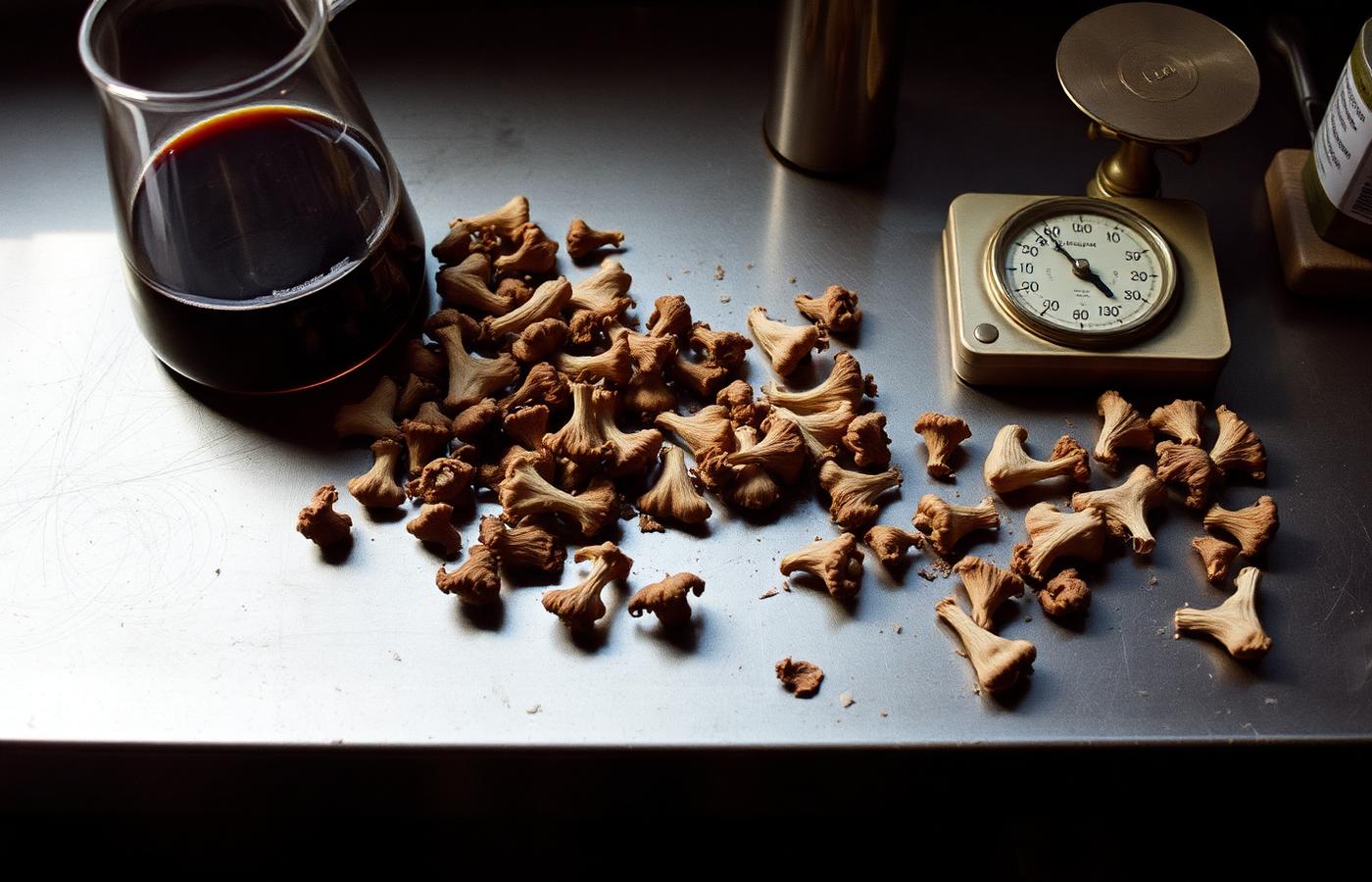
Shiitake does not, of course, belong to the old Friulian herbal tradition. And that is precisely why it is interesting.
Because Opificio Alkemico is not really about preserving 1946. It is about continuing to think like the people who filled the herbarium.
What can this plant do?
How can the flavour be put to use?
What happens if we put it in alcohol?
Tradition is not repeating the past.
Tradition is continuing the conversation.
In the end everything lands where it should
Next to the distillery is Officina delle Tinture. The bar.
There the story suddenly becomes very simple.
The herbs are outside.
The laboratory is next door.
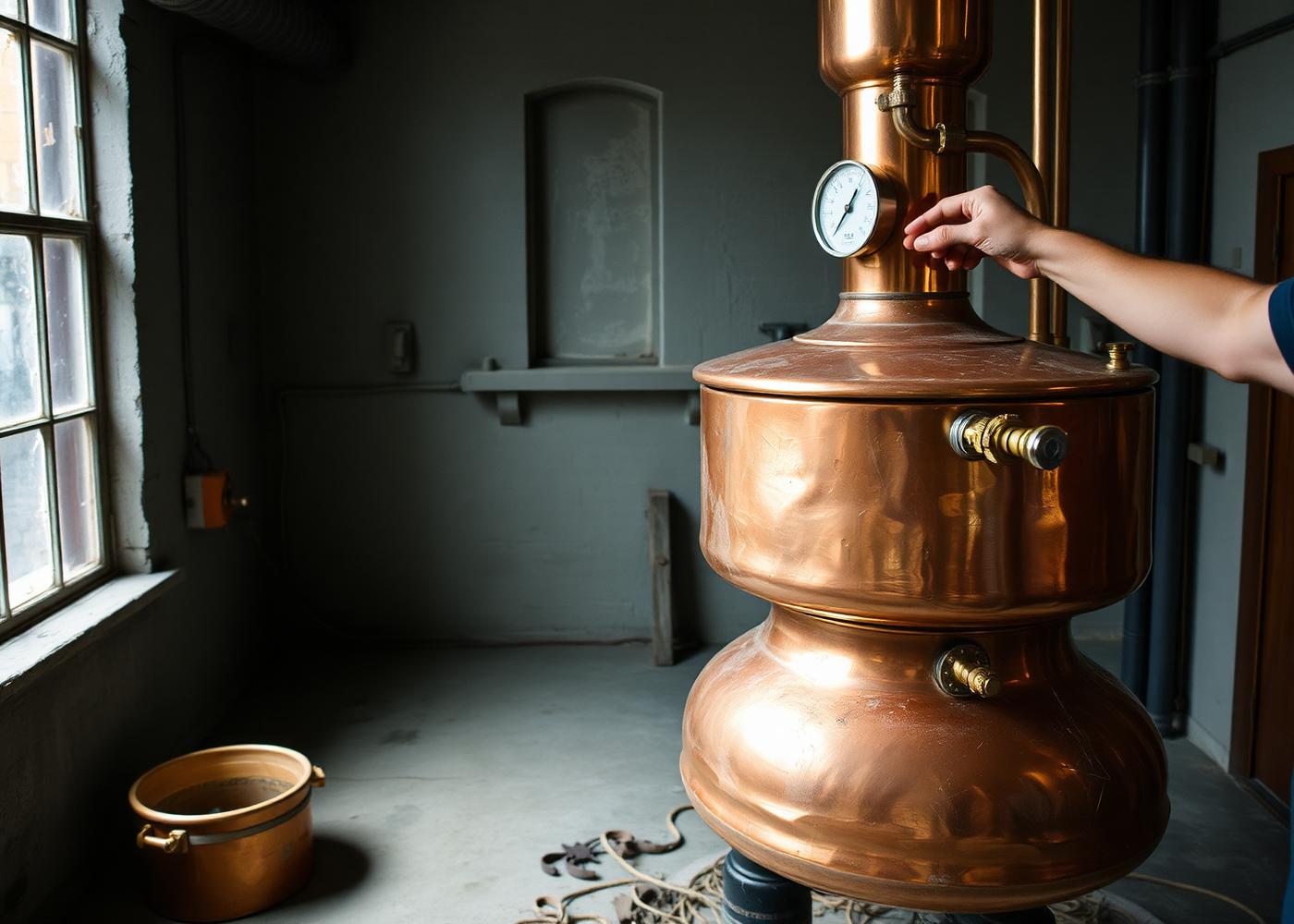
Johann stands there gleaming in copper.
The bottles come from the production.
The bartender mixes the drinks.
Focaccia is put out.
And people drink.
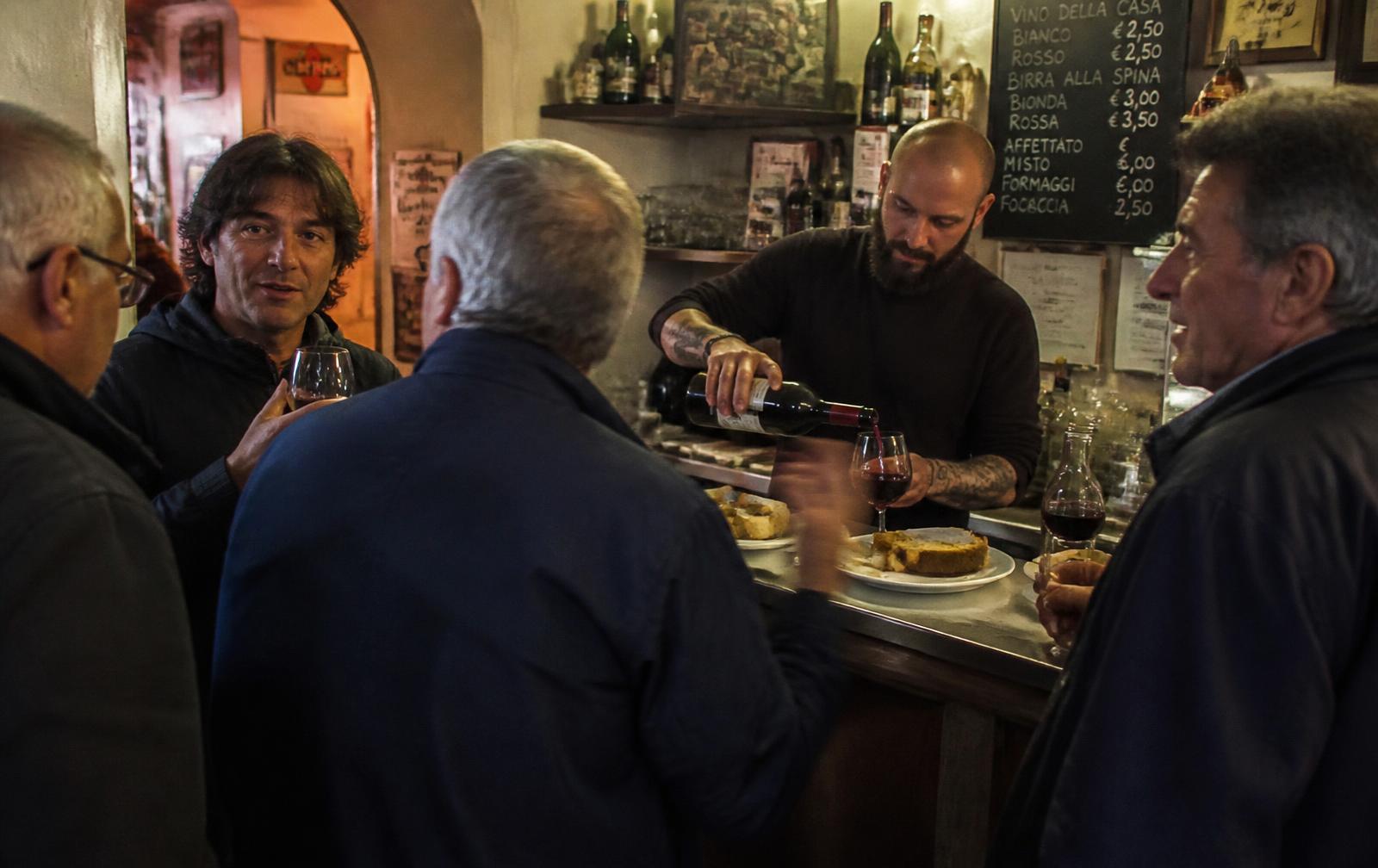
After the herbarium, the pharmacy, Goethe, European trade routes, grandfather Pietro and 102 botanical decisions, it is almost a relief.
Because in the end that is what drink is about.
Someone pours.
Someone else tastes.
Old Friuli in a new bottle
Opificio Alkemico is easy to describe as a modern craft distillery. That would not be wrong. Just rather uninteresting.
Because Federico Cremasco has in fact done something else.
He has drawn a line through several hundred years of European everyday life.
From the people who learned which plants could be used.
To the apothecary.
To the liqueur maker.
To the vermouth.
To the Italian aperitivo.
To the bartender.
And onwards to a shiitake mushroom no one had previously asked to have in liqueur form.
That is why Opificio Alkemico fits so well into the story of Friuli.
Tenuta Pribus tells of the soil and the grape. Piva Enzo of the kitchen and family food. Piolo & Max of Trieste, the harbour and the meeting of different cultures.
Opificio Alkemico tells of something that has existed in parallel the whole time.
The herbs.
The bitterness.
The curiosity.
And the very old human habit of putting things in alcohol to see what happens.
In Polcenigo, Federico Cremasco has carried on doing exactly that.
The difference is that he has a copper still called Johann.
And a bar next door.
It is hard not to want to stop by.